


Introduction
A memorable trip rarely happens by accident. Whether you’re planning a weekend getaway, a family vacation, an international adventure, or a business trip, having a well-structured travel itinerary can make the difference between a smooth experience and a stressful one.
Without a plan, it’s easy to overlook important reservations, underestimate travel time, miss popular attractions, or overspend your budget. On the other hand, a thoughtfully designed itinerary helps you stay organized, use your time efficiently, and adapt when plans change.
Modern travelers also face a new challenge: coordinating information across multiple apps, emails, and messaging platforms. Flight confirmations may be in your inbox, hotel bookings in another app, restaurant reservations in your calendar, and activity ideas scattered across shared chats. Bringing everything together in one organized itinerary reduces confusion and helps everyone stay on the same page.
The good news is that creating an effective travel itinerary doesn’t require hours of work or professional planning experience. By following a structured process and using the right itinerary planner, you can build a flexible schedule that balances sightseeing, relaxation, logistics, and unexpected opportunities.
Before creating your itinerary, it’s worth learning about the common travel planning mistakes that can ruin a vacation. Read: 15 Travel Planning Mistakes That Can Ruin Your Vacation
In this guide, you’ll learn exactly how to create the perfect travel itinerary-from defining your travel goals to organizing reservations, avoiding common planning mistakes, and choosing the best tools for managing your trip.
Whether you’re traveling solo, with your partner, your family, friends, or colleagues, these best practices will help you spend less time worrying about logistics and more time enjoying your destination.
What Makes a Great Travel Itinerary?
Regardless of the trip type, every effective itinerary should answer a few simple questions:
| Question | Example |
| Where are you going? | Destination and route |
| When are you traveling? | Dates and times |
| How will you get there? | Flights, trains, buses, rental cars |
| Where are you staying? | Hotels, vacation rentals, hostels |
| What are you doing each day? | Attractions, tours, restaurants |
| What reservations do you have? | Tickets and confirmations |
| What is your budget? | Daily spending and major expenses |
| Who is traveling? | Family, friends, colleagues, solo |
If your itinerary answers these questions clearly, you’ll spend far less time searching for information during your trip.
Key Takeaway
A travel itinerary is more than a schedule-it’s a centralized travel plan that organizes transportation, accommodations, activities, reservations, budgets, and important documents. The best itineraries are detailed enough to keep you organized while remaining flexible enough to adapt when plans change.
Why Every Traveller Needs an Itinerary
Many travellers assume that planning every detail will make a trip feel rigid. In reality, a good itinerary creates freedom by reducing uncertainty. When the essentials are organized, you can spend more time enjoying your destination instead of solving avoidable problems.
Here are the biggest benefits of creating a travel itinerary before you leave.
1. Stay Organized from Start to Finish
Travel involves dozens of moving parts-flights, hotels, transportation, activities, reservations, and important documents. Keeping everything in one place prevents last-minute scrambling and reduces the chances of overlooking critical details.
Instead of searching through emails or messaging apps for confirmation numbers, your itinerary becomes your single source of truth.
2. Make Better Use of Your Time
Time is one of the most valuable resources when traveling. A thoughtful itinerary helps you group nearby attractions, avoid unnecessary backtracking, and build a realistic daily schedule.
For example, visiting attractions in the same neighbourhood on the same day can save hours that would otherwise be spent commuting across a city.
3. Keep Your Budget Under Control
A travel itinerary isn’t just about where you’re going-it’s also a financial planning tool.
Including estimated costs for transportation, accommodations, food, attractions, and shopping allows you to monitor your spending before the trip even begins.
Budget visibility also helps groups split expenses more fairly and avoid unexpected costs.
4. Reduce Travel Stress
Travel inevitably comes with surprises, from delayed flights to unexpected weather. While you can’t prevent every disruption, an organized itinerary makes it much easier to respond.
When all your reservations, contact information, and backup options are readily available, unexpected changes become manageable instead of overwhelming.
5. Coordinate More Easily with Family and Friends
Group trips often become complicated because everyone has different expectations and information.
Sharing a centralized itinerary ensures everyone knows:
- Meeting times
- Hotel locations
- Transportation plans
- Daily activities
- Reservation details
- Budget expectations
Instead of repeatedly answering the same questions in group chats, everyone can refer to the shared itinerary.
This is where collaborative itinerary planners become particularly valuable. Rather than editing multiple spreadsheets or forwarding updated documents, travelers can keep one shared itinerary that everyone can access throughout the trip.
6. Prepare for Unexpected Situations
No trip goes exactly as planned.
Popular attractions sell out.
Flights get delayed.
Weather changes.
Restaurants close unexpectedly.
A good itinerary includes alternative activities and extra time between major events, making it easier to adapt without disrupting the entire trip.
Planning for flexibility is often more valuable than planning every minute.
7. Keep Important Information Easily Accessible
A complete itinerary serves as a central hub for:
- Flight confirmations
- Hotel bookings
- Attraction tickets
- Reservation numbers
- Emergency contacts
- Travel insurance details
- Offline maps
- Transportation information
Having everything together is particularly useful when internet access is limited or expensive while traveling internationally.
8. Create Better Travel Memories
When logistics are handled in advance, you’re free to focus on the experiences that matter-exploring new places, spending time with loved ones, and enjoying the journey.
Instead of worrying about what’s next, you’ll have more opportunities to be present and make lasting memories.
Key Takeaways
✔ A travel itinerary keeps all your trip details organized in one place.
✔ It helps you save time by planning efficient daily routes.
✔ It improves budget management and reduces unexpected expenses.
✔ Shared itineraries make group travel significantly easier.
✔ Flexible planning is more effective than overplanning every hour.
✔ Using a digital itinerary planner simplifies updates, collaboration, and access across devices.
Step-by-Step Guide to Creating the Perfect Travel Itinerary
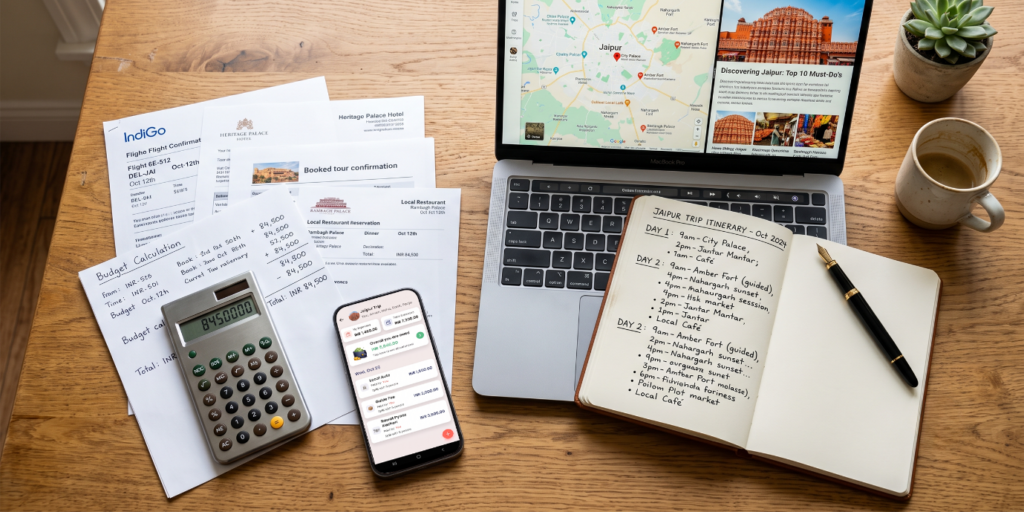
Planning a successful trip isn’t about scheduling every minute-it’s about creating a flexible plan that helps you make the most of your time while leaving room for unexpected discoveries. Follow these 12 steps to build an itinerary that’s practical, organized, and easy to adapt.
1. Define Your Trip Goals
Every great itinerary starts with a clear purpose. Knowing why you’re traveling helps you prioritize activities, choose the right destination, and decide how to spend your time and budget.
Ask yourself:
- Are you looking to relax?
- Do you want to explore culture and history?
- Is food your main focus?
- Are you planning an adventure-filled vacation?
- Is this a business trip with limited free time?
- Are you traveling with children or elderly family members?
Your answers will shape every decision that follows.
Practical Tips
- List your top three priorities before researching attractions.
- Discuss expectations with everyone if you’re traveling in a group.
Planning with friends or family? Read: 10 Common Group Travel Problems and How to Solve Them
- Decide whether your trip will be fast-paced or leisurely.
Common Mistake
Trying to do everything.
Many first-time visitors attempt to see every famous attraction. Instead, prioritize experiences you’ll genuinely enjoy rather than checking items off a list.
2. Choose Your Destination
If you haven’t already selected your destination, narrow your options based on factors such as:
- Budget
- Weather
- Travel time
- Visa requirements
- Local transportation
- Safety
- Seasonal events
- Interests
Research what the destination is best known for and whether it’s suitable during your travel dates.
Need inspiration? Explore: Best Destinations in India for Group Trips in 2026
Practical Tips
- Read recent travel guides.
- Check official tourism websites.
- Search for local festivals and holidays.
- Review transportation options before booking.
Common Mistake
Choosing a destination solely because it’s popular on social media without considering travel costs, weather, or personal interests.
3. Set Your Travel Dates
Travel dates influence almost every aspect of your itinerary, including flight prices, hotel availability, weather, crowd levels, and attraction opening hours.
Whenever possible:
- Compare weekday and weekend prices.
- Avoid peak tourist seasons if your schedule allows.
- Consider shoulder seasons for better value.
Practical Tips
Build your itinerary only after confirming your travel dates.
Keep local public holidays in mind, as they may affect transportation, attractions, and restaurant availability.
Common Mistake
Planning activities before confirming flights and accommodation.
4. Plan Transportation
Transportation is the backbone of your itinerary.
Include every major movement, such as:
- Flights
- Trains
- Buses
- Rental cars
- Airport transfers
- Ferries
- Metro routes
- Walking distances
Estimate travel time realistically rather than relying only on map distances.
Practical Tips
- Download offline maps before departure.
- Save transportation booking confirmations.
- Research airport transfer options in advance.
- Note the last train or bus departure times.
Common Mistake
Ignoring commute times between attractions.
A museum may only be five kilometers away, but traffic could turn it into a one-hour journey.
5. Book Your Accommodation Strategically
Your accommodation affects how efficiently you’ll explore your destination.
Rather than simply booking the cheapest option, consider:
- Distance from major attractions
- Public transportation access
- Airport connectivity
- Safety
- Neighborhood atmosphere
- Check-in and check-out times
Paying slightly more for a central location can save hours of commuting.
Practical Tips
Choose accommodations close to the activities you’ve prioritized.
Keep booking confirmations together with your itinerary.
Common Mistake
Booking hotels far outside the city center to save money, then spending more on transportation and losing valuable sightseeing time.
6. Research Attractions and Experiences
Now comes the exciting part.
Create a shortlist of attractions rather than immediately building your daily schedule.
Include a mix of:
- Landmarks
- Museums
- Parks
- Local neighborhoods
- Food experiences
- Cultural activities
- Shopping areas
- Hidden gems
Research:
- Opening hours
- Entry fees
- Reservation requirements
- Average visit duration
Practical Tips
Read recent visitor reviews.
Some attractions require advance reservations weeks or even months before your trip.
Common Mistake
Planning every attraction based solely on online popularity.
Often, the most memorable travel experiences come from exploring local neighborhoods, markets, and lesser-known places.
7. Group Activities by Location
One of the easiest ways to improve any itinerary is by organizing attractions geographically.
Instead of traveling across the city multiple times, group nearby attractions into the same day.
Example
Instead of:
Morning: Museum (Downtown)
Afternoon: Beach (20 km away)
Evening: Downtown restaurant
A better plan would be:
Morning: Museum
Lunch nearby
Historic district
Shopping
Dinner nearby
This minimizes unnecessary travel and gives you more time to enjoy your destination.
Practical Tips
Use digital maps to visualize each day’s route.
Common Mistake
Jumping between neighborhoods throughout the day.
8. Schedule Meals and Breaks
Many itineraries overlook something surprisingly important-eating.
Meals naturally divide your day and provide opportunities to rest.
Plan:
- Breakfast
- Lunch
- Coffee breaks
- Dinner
- Local food experiences
If you have dietary restrictions, research suitable restaurants beforehand.
Practical Tips
Save restaurant options near your planned attractions.
Avoid scheduling major attractions immediately after long travel segments.
Common Mistake
Packing the day so tightly that there’s no time to relax or enjoy local cuisine.
9. Leave Buffer Time
No itinerary survives perfectly.
Flights are delayed.
Weather changes.
Traffic happens.
You discover an amazing café you want to spend another hour in.
Build flexibility into every day.
Good Rule
Leave 30–60 minutes between major activities.
Avoid scheduling more than three or four major attractions in one day.
Practical Tips
Treat buffer time as part of your itinerary-not wasted time.
Common Mistake
Scheduling activities back-to-back from morning until night.
This often leads to stress rather than enjoyment.
10. Prepare Backup Plans
Unexpected changes are part of travel.
A smart itinerary always includes alternatives.
Examples:
If it rains:
- Visit museums
- Explore indoor markets
- Try local cafés
If an attraction is sold out:
- Visit nearby parks
- Join a walking tour
- Explore local neighborhoods
If transportation is delayed:
- Have alternate routes saved.
Practical Tips
Create a short “Plan B” list for each travel day.
Common Mistake
Assuming everything will go exactly according to schedule.
11. Organize Reservations and Travel Documents
Before your trip, gather every important document into one organized location.
Include:
- Flight confirmations
- Hotel bookings
- Attraction tickets
- Restaurant reservations
- Passport copies
- Visa documents
- Travel insurance
- Emergency contacts
- Currency information
Digital organization makes accessing these documents much easier while traveling.
Practical Tips
Save offline copies in addition to cloud storage.
Common Mistake
Searching through dozens of emails for booking confirmations while standing in an airport queue.
12. Share Your Itinerary with Travel Companions
If you’re traveling with friends, family, or colleagues, sharing your itinerary is just as important as creating it.
Everyone should know:
- Daily schedule
- Meeting points
- Hotel details
- Transportation
- Emergency contacts
- Activity timings
A collaborative itinerary reduces confusion and helps everyone stay informed if plans change.
Instead of constantly sending updates through group chats, collaborative travel planning tools like Tripsil allow everyone to access the latest itinerary, shared notes, trip expenses, photos, and checklists from one centralized place. This is especially valuable for family vacations, friend groups, and multi-day road trips where plans often evolve during the journey.
Start planning together with Tripsil
Travel Itinerary Planning Checklist
Before considering your itinerary complete, make sure you’ve covered these essentials:
✔ Trip goals defined
✔ Destination selected
✔ Travel dates confirmed
✔ Transportation booked
✔ Accommodation reserved
✔ Attractions researched
✔ Daily activities grouped by location
✔ Meal plans added
✔ Buffer time included
✔ Backup plans prepared
✔ Reservations organized
✔ Emergency contacts saved
✔ Budget estimated
✔ Packing checklist created
✔ Itinerary shared with fellow travelers
Instead of managing these manually, organize everything in Tripsil
Key Takeaways
- Start with clear travel goals before planning activities.
- Organize attractions geographically to reduce travel time.
- Build realistic schedules with regular breaks.
- Keep all reservations and travel documents in one place.
- Always include backup plans for weather, delays, or sold-out attractions.
- Share your itinerary with travel companions to improve coordination.
- Use a collaborative itinerary planner like Tripsil when traveling in groups to keep schedules, expenses, notes, and updates synchronized in one place.
A thoughtfully planned itinerary isn’t about eliminating spontaneity-it’s about removing unnecessary stress so you can focus on enjoying the journey.
What Should a Travel Itinerary Include?
A great travel itinerary is more than a daily schedule-it’s a centralized travel hub containing everything you need before and during your trip. Whether you’re planning a solo getaway, a family vacation, a business trip, or a group adventure, including the right information will help you stay organized and prepared.
Use the checklist below to ensure nothing important is overlooked.
Complete Travel Itinerary Checklist
| Category | What to Include | Why It Matters |
| Trip Overview | Destination, travel dates, travelers, trip purpose | Provides a quick summary of the entire trip. |
| Flights & Transportation | Flight numbers, departure times, train or bus tickets, rental car details, airport transfers | Makes travel days smoother and reduces last-minute confusion. |
| Accommodation | Hotel name, address, booking reference, check-in/check-out times, contact details | Ensures you have easy access to accommodation information. |
| Daily Schedule | Planned activities, sightseeing, meetings, relaxation time | Keeps your days organized without constant decision-making. |
| Attractions & Tours | Opening hours, ticket confirmations, booking references | Helps you avoid missing reservations or arriving when attractions are closed. |
| Restaurants | Reservation times, recommended local restaurants, dietary notes | Makes meal planning easier, especially during busy travel seasons. |
| Budget | Estimated daily expenses, transportation costs, accommodation, attraction fees, emergency fund | Helps you manage spending and avoid unexpected costs. |
| Maps & Navigation | Google Maps links, offline maps, walking routes | Makes navigating unfamiliar destinations much easier. |
| Emergency Contacts | Family members, local emergency numbers, embassy information, travel insurance | Essential if something unexpected happens. |
| Weather Forecast | Expected temperatures, rainfall, seasonal conditions | Helps you pack appropriately and adjust activities if needed. |
| Packing Checklist | Clothing, travel documents, chargers, medications, travel accessories | Prevents forgotten essentials. |
| Travel Documents | Passport, visas, insurance, tickets, booking confirmations | Keeps important documents easily accessible. |
| Notes & Reminders | Local customs, currency, language tips, personal reminders | Helps you stay prepared throughout your journey. |
Pro Tip: Instead of storing this information across emails, notes, messaging apps, and spreadsheets, keep everything in one digital itinerary. This reduces the chances of missing important details, especially when traveling with others.
Example Travel Itinerary
To see how these elements come together, here’s a realistic example of a three-day weekend itinerary.

Build a Itinerary on Tripsil App
Example: 3-Day Weekend Trip to Jaipur
Trip Overview
Destination: Jaipur, India
Duration: Friday to Sunday
Travelers: Four friends
Accommodation: Boutique hotel in the city center
Transportation: Flight + local cab services
Day 1 – Arrival & Exploring the Old City
| Time | Activity |
| 7:00 AM | Flight departure |
| 9:00 AM | Arrive in Jaipur |
| 10:00 AM | Hotel check-in and breakfast |
| 11:30 AM | Visit City Palace |
| 1:30 PM | Lunch at a local Rajasthani restaurant |
| 3:00 PM | Explore Jantar Mantar |
| 5:30 PM | Walk through local markets |
| 7:30 PM | Dinner |
| 9:00 PM | Return to hotel |
Day 2 – Forts & Local Experiences
| Time | Activity |
| 8:00 AM | Breakfast |
| 9:00 AM | Visit Amber Fort |
| 12:30 PM | Lunch |
| 2:00 PM | Explore Panna Meena Ka Kund |
| 4:00 PM | Cafe break |
| 5:00 PM | Nahargarh Fort sunset |
| 8:00 PM | Dinner |
Day 3 – Shopping & Departure
| Time | Activity |
| 8:00 AM | Breakfast |
| 9:30 AM | Visit local handicraft markets |
| 12:00 PM | Hotel checkout |
| 1:00 PM | Lunch |
| 3:00 PM | Airport transfer |
| 6:00 PM | Flight home |
Why This Itinerary Works
- Attractions are grouped by location.
- Daily travel time is minimized.
- Meal breaks are built into the schedule.
- Free time allows for spontaneous exploration.
- Evenings remain flexible.
- There is enough buffer time to handle traffic or delays.
Common Travel Itinerary Mistakes (and How to Avoid Them)
Even experienced travelers make planning mistakes. Avoiding these common pitfalls can make your trip more enjoyable and less stressful.
1. Overplanning Every Hour
Many travelers feel they need to maximize every minute of their vacation.
The result?
Exhaustion.
Instead, leave free time between activities to relax, discover unexpected places, or simply enjoy the destination at your own pace.
Better approach: Plan two or three major activities each day rather than trying to visit everything.
2. Underestimating Travel Time
Looking at a map doesn’t always reflect reality.
Traffic, public transportation schedules, security checks, and walking distances can all take longer than expected.
Better approach: Add realistic travel times and include a buffer between activities.
3. Booking Too Many Attractions
Trying to visit five museums in one day often means you won’t fully enjoy any of them.
Quality experiences usually create better memories than quantity.
Better approach: Prioritize your top attractions and leave room for spontaneous discoveries.
4. Ignoring Weather Conditions
Outdoor plans may not work if heavy rain, extreme heat, or snow affects your destination.
Better approach: Check the forecast before departure and prepare indoor alternatives.
5. Forgetting to Budget
Unexpected expenses quickly add up.
Transportation, snacks, shopping, tips, and attraction fees are often underestimated.
Better approach: Include a daily spending estimate and keep an emergency fund.
6. Not Sharing the Itinerary
This is one of the most common group travel problems.
People miss activities because they don’t know meeting times or transportation details.
Better approach: Share one centralized itinerary that everyone can access throughout the trip.
7. Keeping Reservations in Different Places
Searching multiple emails for hotel confirmations while standing at reception is frustrating.
Better approach: Keep every reservation together in one itinerary.
8. Forgetting Backup Plans
Weather changes.
Flights get delayed.
Restaurants close.
Popular attractions sell out.
Better approach: Prepare alternatives for each travel day so unexpected events don’t derail your trip.
Key Takeaway
The best itineraries are organized-but never rigid. They balance planning with flexibility, giving you structure without removing the freedom to enjoy unexpected moments.
Related reading: 15 Travel Planning Mistakes That Can Ruin Your Vacation
Best Tools for Creating a Travel Itinerary
There isn’t a single “best” itinerary planning tool for every traveler. The right choice depends on how you travel, who you’re traveling with, and how much collaboration you need.
Here’s a comparison of some of the most popular options.
| Tool | Best For | Strengths | Limitations |
| Tripsil | Families, friends, couples, group trips | Collaborative itinerary planning, shared expenses, shared notes, checklists, photo sharing, offline access, centralized trip management | Smaller ecosystem than long-established productivity apps |
| Google Maps | Exploring destinations | Saving places, navigation, offline maps | Not designed for complete itinerary management |
| Google Calendar | Time-based schedules | Excellent for organizing appointments and reminders | Doesn’t organize bookings, expenses, or travel documents well |
| Notion | Custom planners | Highly customizable databases and templates | Requires manual setup and ongoing maintenance |
| Wanderlog | Individual and road-trip planning | Route optimization and itinerary building | Collaboration and trip management features may not suit every group workflow |
Which Tool Is Right for You?
Choose Tripsil if you:
- Plan trips with friends or family.
- Want everyone to access the same itinerary.
- Need shared checklists.
- Want to track group expenses.
- Prefer keeping notes, bookings, photos, and plans together.
- Need offline access while traveling.
Choose Google Maps if you:
- Primarily need navigation.
- Want to save attractions before your trip.
Choose Google Calendar if you:
- Prefer organizing trips around a schedule.
- Already use Google Workspace extensively.
Choose Notion if you:
- Enjoy building highly customized travel planners.
- Don’t mind spending time creating your own system.
Choose Wanderlog if you:
- Want help planning sightseeing routes.
- Prefer a dedicated trip-planning application focused on itinerary creation.
Tips from Experienced Travelers
The best travel itineraries strike a balance between preparation and flexibility. Seasoned travelers know that unexpected moments often become the highlights of a trip. These practical tips can help you plan smarter while leaving room for memorable experiences.
1. Leave Free Time Every Day
Avoid scheduling every hour. A relaxed itinerary gives you the freedom to explore hidden cafés, local markets, scenic viewpoints, or simply take a break when needed.
Rule of thumb: Leave at least one to two hours of unplanned time each day.
2. Book Popular Attractions Early
Many famous attractions now require advance reservations, especially during weekends, holidays, and peak travel seasons.
Book ahead for:
- Museums
- National parks
- Guided tours
- Theme parks
- Observation decks
- Popular restaurants
This helps you avoid disappointment and secure your preferred time slots.
3. Download Offline Maps
Internet access isn’t always reliable, especially during international travel or road trips.
Before you leave:
- Download offline maps.
- Save your hotel location.
- Mark important attractions.
- Store transportation routes.
Offline navigation can be invaluable if your connection is slow or unavailable.
4. Keep Digital Copies of Important Documents
Store copies of:
- Passport
- Visa
- Flight tickets
- Hotel confirmations
- Travel insurance
- Driver’s license (if applicable)
Save them securely in cloud storage and keep offline copies on your device.
5. Share Your Itinerary with Someone You Trust
Whether you’re traveling solo or with a group, it’s a good practice to share your itinerary with a family member or trusted friend.
Include:
- Accommodation details
- Transportation plans
- Emergency contacts
- Expected return dates
This improves safety and makes it easier for someone to assist if necessary.
6. Pack for the Weather-Not Just the Destination
Check the forecast a few days before departure and pack accordingly.
Don’t forget:
- Rain gear
- Layers for changing temperatures
- Comfortable walking shoes
- Portable charger
- Reusable water bottle
- Essential medications
7. Keep Your Itinerary Flexible
Travel delays, weather changes, and unexpected discoveries are all part of the experience.
Rather than viewing itinerary changes as setbacks, treat them as opportunities to adapt and enjoy your destination differently.
8. Keep Everything in One Place
One of the biggest stress points during travel is searching across emails, messaging apps, notes, and booking websites.
Using a centralized itinerary planner allows you to access your schedule, reservations, notes, checklists, expenses, and travel documents whenever you need them.
For group trips, this also means everyone stays updated if plans change.
Frequently Asked Questions
What is a travel itinerary?
A travel itinerary is a structured plan that organizes all the important details of a trip, including transportation, accommodations, daily activities, reservations, budgets, and travel documents.
How detailed should a travel itinerary be?
Your itinerary should include enough information to keep your trip organized without becoming overly restrictive. Focus on confirmed bookings, key activities, transportation, and essential reminders while leaving room for flexibility.
What is the best itinerary planner?
The best itinerary planner depends on your travel style.
- Solo travelers may prefer simple planning tools.
- Business travelers often use calendar-based scheduling.
- Families and friend groups benefit from collaborative itinerary planners that support shared schedules, notes, expenses, and checklists.
Can I create a travel itinerary for free?
Yes. You can create a travel itinerary using spreadsheets, documents, note-taking apps, or free itinerary planning tools. Digital itinerary planners often make it easier to update and share your plans.
How far in advance should I plan my itinerary?
For international trips or travel during peak seasons, begin planning several months in advance. Weekend trips may only require a few weeks. Popular attractions and accommodations should be booked as early as possible.
What should a family travel itinerary include?
A family itinerary should include:
- Accommodation details
- Transportation
- Child-friendly activities
- Meal plans
- Rest breaks
- Emergency contacts
- Medical information
- Packing lists
Building in extra flexibility is especially helpful when traveling with young children.
Should I use an itinerary planning app?
An itinerary planning app can simplify travel by keeping reservations, schedules, maps, notes, and important documents together. Apps with collaboration features are particularly useful for families, couples, and groups.
What’s the difference between a travel itinerary and a travel plan?
A travel plan is the overall strategy for your trip, including destination ideas, budgets, and goals. A travel itinerary is the finalized schedule containing confirmed bookings, daily activities, and logistical details.
How often should I update my itinerary?
Review your itinerary whenever reservations change and again before each travel day. Keeping it updated ensures everyone has the latest information.
Can I use the same itinerary template for every trip?
Absolutely. A good itinerary template provides a consistent structure that can be adapted for weekend getaways, road trips, family vacations, international travel, and business trips.
Conclusion
A well-crafted travel itinerary isn’t about controlling every moment of your trip-it’s about removing unnecessary stress so you can focus on enjoying the journey.
By defining your travel goals, organizing transportation and accommodations, grouping attractions efficiently, planning for flexibility, and keeping all essential information together, you’ll spend less time solving logistical problems and more time creating memorable experiences.
Whether you’re traveling solo, with your partner, your family, or a group of friends, a thoughtful itinerary helps everyone stay organized, informed, and prepared.
If you’re looking for a simple way to manage your travel plans digitally, consider using Tripsil. Instead of juggling multiple apps and documents, Tripsil lets you organize your itinerary, collaborate with your travel companions, manage shared expenses, create checklists, store notes, share photos, and access your plans offline-all from one place.
Learn more about Tripsil
Start with a clear plan, stay flexible along the way, and let your itinerary support the adventure-not define it.