


Planning a vacation involves dozens of decisions—from choosing a destination and setting a budget to booking accommodation, organizing travel documents, and creating an itinerary. Making those decisions in the right order saves time, reduces costs, and helps you avoid common planning mistakes.
Whether you’re planning a weekend getaway, a family holiday, a business trip, or an international adventure, this guide walks you through every stage of the process with practical advice, checklists, and planning frameworks you can use for every future trip.
Why Travel Planning Matters
Many travel problems don’t happen during the trip—they happen before it.
A rushed booking can leave you paying more for flights. Choosing accommodation without checking its location can add hours of unnecessary commuting. Forgetting to research visa requirements or local transportation can disrupt your itinerary before your vacation even begins.
A structured travel planning process helps you avoid these issues by ensuring every decision builds on the previous one. Instead of reacting to problems as they arise, you’ll have a clear plan that keeps your trip organized from departure to return.
Good planning also gives you more flexibility. When your essentials—such as flights, accommodation, transportation, and daily plans—are already organized, it’s easier to adapt to unexpected opportunities, weather changes, or local recommendations without feeling like your trip is falling apart.
The goal isn’t to create a rigid schedule. It’s to build a reliable plan that gives you confidence while leaving room to enjoy spontaneous moments.
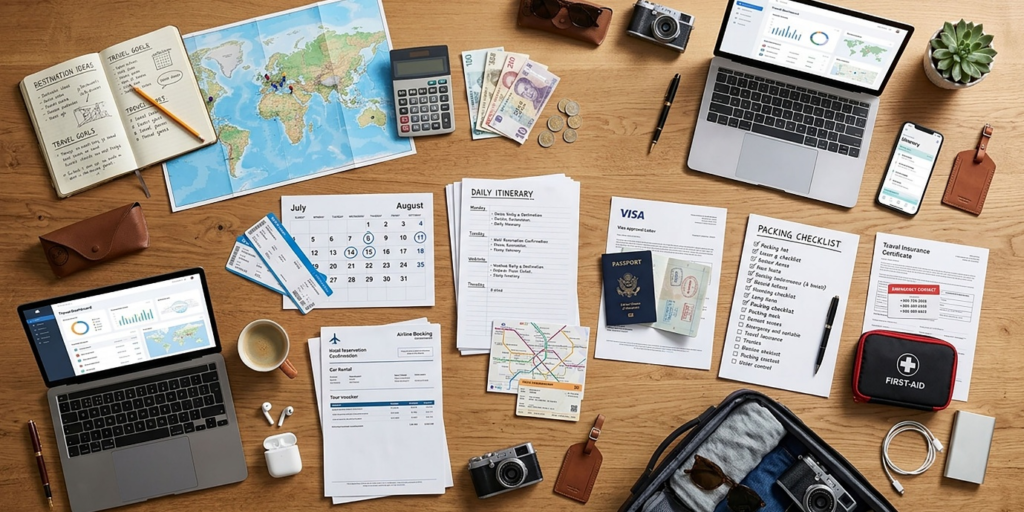
Step 1: Decide Your Vacation Goals
Before comparing destinations or searching for cheap flights, define the purpose of your trip. Every decision that follows—your destination, budget, itinerary, and accommodation—should support that goal.
Many travelers skip this step and choose a destination simply because it’s popular or trending. The result is often a vacation that doesn’t match their expectations.
Instead, start by identifying what success looks like for your trip.
Define Your Purpose
Ask yourself:
- Why am I taking this trip?
- What experience am I hoping to have?
- Who am I traveling with?
- How much time do I have available?
- How much can I comfortably spend?
Your answers create the foundation for every planning decision that follows.
Identify Your Priorities
Trying to fit every type of experience into one vacation usually leads to an exhausting itinerary.
Instead, choose two or three priorities.
For example:
| Priority | Examples |
| Relaxation | Beaches, resorts, wellness retreats |
| Adventure | Hiking, diving, safaris, road trips |
| Culture | Museums, historical sites, local festivals |
| Food | Street food tours, cooking classes, regional cuisine |
| Nature | National parks, wildlife, mountain destinations |
| Family Time | Theme parks, kid-friendly attractions, resorts |
When you know your priorities, it’s easier to decide which activities deserve your time and budget.
Consider Your Travel Companions
A vacation that works well for a solo traveler may not suit a family with children or a group of friends.
Before making bookings, discuss:
- Daily budget
- Accommodation preferences
- Must-see attractions
- Daily pace
- Transportation preferences
- Shared expectations
Resolving these questions early prevents unnecessary disagreements later.
If you’re planning as a group, keeping everyone’s itinerary, notes, reservations, and expenses in one shared workspace can significantly simplify communication throughout the planning process. Many travelers underestimate how challenging group travel planning can become without a shared system. If you’re traveling with friends or family, read our guide on group travel problems and how to solve them.
Decide How Long You’ll Travel
The length of your trip should determine how much you try to see—not the other way around.
| Trip Length | Best For |
| 2–3 Days | Weekend getaway |
| 4–6 Days | One destination |
| 7–10 Days | One destination with day trips |
| 10–14 Days | Multi-city vacation |
| 15+ Days | Extended travel or backpacking |
A slower itinerary often creates a more enjoyable vacation than trying to visit too many places in a limited time.
Step 2: Choose the Right Destination
Choosing a destination isn’t about finding the most popular place-it’s about finding the right fit for your trip.
Social media trends and “must-visit” lists rarely consider your budget, available time, or preferred travel style. A destination that’s perfect for someone else may not be the best choice for you.
Start by narrowing your options using practical criteria rather than emotion.
Compare Destinations Using Five Factors
Instead of asking, “Where should I go?” ask:
- Can I afford it?
- Is the weather suitable during my travel dates?
- Do I need a visa or additional documentation?
- Does it offer the experiences I’m looking for?
- Is it easy to explore once I arrive?
Destinations that score well across all five areas are usually better choices than those that excel in only one.
Destination Decision Matrix
| Factor | Importance | Destination A | Destination B |
| Budget | High | ⭐⭐⭐⭐ | ⭐⭐⭐ |
| Weather | High | ⭐⭐⭐⭐⭐ | ⭐⭐⭐⭐ |
| Attractions | High | ⭐⭐⭐⭐ | ⭐⭐⭐⭐⭐ |
| Safety | High | ⭐⭐⭐⭐⭐ | ⭐⭐⭐⭐ |
| Accessibility | Medium | ⭐⭐⭐⭐ | ⭐⭐⭐ |
| Overall | — | 26/30 | 22/30 |
Using a simple scoring system makes destination decisions more objective and prevents impulse bookings.
Research Before You Commit
Before booking anything, confirm:
- Passport validity requirements
- Visa rules
- Best time to visit
- Average daily costs
- Local transportation options
- Safety advisories
Spending an extra hour researching can save you from expensive changes later.
Step 3: Set Your Vacation Budget
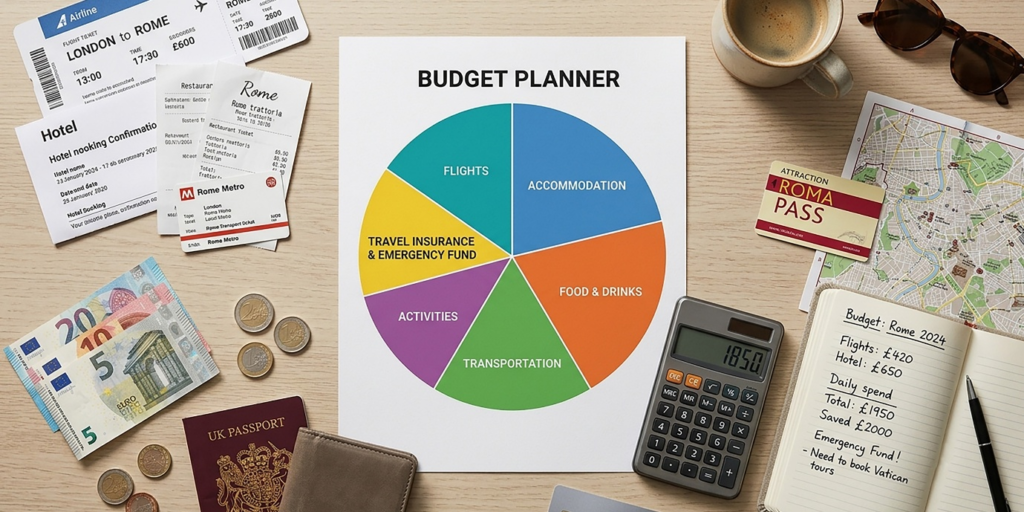
Your budget influences almost every travel decision, from destination and accommodation to activities and transportation. Setting a realistic budget before booking helps you avoid overspending and makes it easier to prioritize what’s most important.
Start with the maximum amount you’re comfortable spending, then divide it into categories.
| Expense | Example Allocation |
| Flights | $500 |
| Accommodation | $700 |
| Local Transportation | $150 |
| Food & Drinks | $300 |
| Activities | $250 |
| Travel Insurance | $75 |
| Shopping | $200 |
| Emergency Fund | $200 |
| Estimated Total | $2,375 |
Budget Planning Tips
- Include all expected expenses—not just flights and hotels.
- Reserve 10–15% of your budget for unexpected costs.
- Compare the total cost of different destinations rather than airfare alone.
- Track estimated expenses before making bookings to avoid exceeding your budget.
Step 4: Choose the Best Travel Dates
The same destination can feel completely different depending on when you visit. Travel dates affect flight prices, hotel availability, weather, crowd levels, and even which attractions are open.
Rather than selecting dates based only on your work schedule or vacation days, compare different time periods to find the best overall value.
Understand the Three Travel Seasons
Most destinations experience three distinct tourism seasons.
| Season | What to Expect | Best For |
| Peak Season | Best weather, busiest attractions, highest prices | First-time visitors and seasonal events |
| Shoulder Season | Pleasant weather, moderate crowds, better prices | Most leisure travelers |
| Off-Season | Lowest prices, quiet attractions, possible weather limitations | Flexible and budget-conscious travelers |
For most vacations, the shoulder season offers the best balance between cost and experience.
Compare More Than Flight Prices
When choosing dates, evaluate:
- Average accommodation rates
- Weather conditions
- School holidays
- Public holidays
- Local festivals
- Attraction opening hours
For example, traveling during a major festival may provide a unique cultural experience, but accommodation prices and crowd levels are likely to increase significantly.
Leave Some Flexibility
If your schedule allows, compare flights and accommodation across several departure dates.
Even moving your trip by one or two days can reduce travel costs without changing your overall plans.
Step 5: Book Flights
Flights are often one of the largest expenses in any travel budget, making them one of the most important booking decisions.
A cheaper ticket isn’t always the better choice if it includes long layovers, additional baggage fees, or inconvenient arrival times.
Compare Total Value
When comparing flights, look beyond the advertised fare.
Consider:
- Total journey time
- Number of layovers
- Cabin and checked baggage allowances
- Airport location
- Refund and change policies
- Arrival and departure times
Paying slightly more for a direct flight or flexible ticket can save both time and unexpected expenses.
Step 6: Book Accommodation
Accommodation affects much more than where you sleep. It influences how much time you spend commuting, your daily transportation costs, and how easily you can explore your destination.
A centrally located hotel with a slightly higher nightly rate may save both time and money compared to a cheaper property on the outskirts of the city.
Choose the Right Accommodation Type
Different trips call for different types of accommodation.
| Accommodation | Best For |
| Hotel | Short stays, business trips, families |
| Vacation Rental | Groups, longer vacations, self-catering |
| Hostel | Solo travelers and backpackers |
| Resort | Relaxation-focused holidays |
| Boutique Hotel | Couples and unique local experiences |
Choose accommodation based on your travel style—not just the lowest price.
Prioritize Location
Before booking, check:
- Distance from major attractions
- Public transportation access
- Nearby restaurants and grocery stores
- Safety of the neighborhood
- Airport transfer options
Saving a small amount on accommodation can become expensive if you need taxis every day.
Read Reviews Strategically
Don’t focus only on the overall rating.
Instead, look for repeated comments about:
- Cleanliness
- Noise
- Wi-Fi reliability
- Staff service
- Safety
- Location accuracy
Recurring feedback from recent guests usually provides a more accurate picture than individual reviews.
Review the Booking Details
Before confirming your reservation, verify:
- Check-in and check-out times
- Cancellation policy
- Taxes and additional fees
- Breakfast inclusion
- Parking availability (if needed)
- Extra charges for additional guests
Understanding these details upfront helps you avoid unexpected costs after arrival.
Step 7: Create a Travel Itinerary
A travel itinerary is more than a schedule—it’s a plan that helps you make the most of your time while avoiding unnecessary backtracking and last-minute decisions.
The goal isn’t to fill every hour. It’s to create a realistic plan that leaves room for flexibility.
Start With Your Priorities
List every attraction or experience you’re interested in, then organize them into three categories:
Must Do
Experiences that are the main reason for visiting the destination.
Nice to Do
Activities you’ll enjoy if time allows.
Optional
Ideas to keep in reserve if you finish earlier than expected or the weather changes.
This simple prioritization helps you focus on what matters most instead of trying to do everything.
Group Attractions by Area
One of the easiest ways to improve an itinerary is to organize attractions by location.
Instead of crossing the city multiple times in one day, group nearby places together.
For example:
Day 1
- Historic district
- Local market
- Museum
- Traditional restaurant
Day 2
- Waterfront
- Aquarium
- Shopping district
- Evening river cruise
This approach reduces travel time and creates a more relaxed pace.
Leave Time for the Unexpected
Avoid scheduling every hour.
Unexpected opportunities are part of travel—whether it’s discovering a local café, attending a street performance, or simply spending longer at an attraction than planned.
A practical guideline is the 3–2–1 Rule:
- 3 major activities
- 2 smaller stops
- 1 flexible time block
This creates a balanced day without feeling overcrowded.
Sample One-Day Itinerary

| Time | Activity |
| 8:00 AM | Breakfast near your accommodation |
| 9:00 AM | Visit the day’s main attraction |
| 12:30 PM | Lunch at a local restaurant |
| 2:00 PM | Museum, park, or cultural experience |
| 5:00 PM | Free time or shopping |
| 7:30 PM | Dinner |
| 9:00 PM | Evening walk or entertainment |
Notice that the schedule includes free time instead of planning every hour. This flexibility makes the itinerary easier to follow and more enjoyable.
Keep Everything Organized
As your trip comes together, you’ll collect:
- Flight confirmations
- Hotel bookings
- Attraction tickets
- Restaurant reservations
- Transportation details
- Travel notes
- Packing lists
- Shared plans
Keeping this information across emails, screenshots, spreadsheets, and messaging apps makes it harder to find when you need it.
Using Tripsil allows you to organize your itinerary, bookings, shared notes, checklists, travel documents, and group expenses in one place. Instead of asking, “Who has the hotel confirmation?” or “What’s tomorrow’s plan?”, everyone can access the latest trip information from a single shared workspace.
Step 8: Plan Your Transportation
Question this step answers: How will you get around efficiently once you arrive?
After booking your flights and accommodation, the next step is planning how you’ll travel within your destination. This often gets overlooked, yet it affects your daily schedule, budget, and overall experience.
Planning transportation in advance helps you avoid expensive last-minute decisions and unnecessary travel time.
Choose the Right Transportation for Your Trip
The best option depends on your destination, itinerary, and travel style.
| Transportation | Best For | Things to Consider |
| Public Transport | Major cities | Affordable, reliable, and ideal for sightseeing |
| Rental Car | Road trips and rural destinations | Fuel, parking, tolls, and insurance costs |
| Ride-Sharing | Airport transfers and short trips | Surge pricing during busy periods |
| Walking | Historic districts and compact cities | Comfortable footwear and weather |
| Bike or Scooter Rentals | Urban exploration | Local traffic rules and safety |
Many trips combine multiple transportation methods, so plan your route before you arrive.
Plan Airport Transfers
Your first journey after landing should be straightforward.
Before departure, research:
- Airport train or metro connections
- Shuttle services
- Taxi fares
- Ride-sharing availability
- Public transport operating hours
If you’re arriving late at night or traveling with children or heavy luggage, booking your airport transfer in advance can provide extra peace of mind.
Estimate Transportation Costs
Transportation is often underestimated when creating a vacation budget.
Remember to include:
- Airport transfers
- Public transport passes
- Taxi or ride-sharing fares
- Parking fees
- Fuel costs
- Highway tolls
Adding these expenses to your travel budget helps prevent surprises during your trip.
Download Offline Maps
Mobile data isn’t always available or affordable, especially when traveling internationally.
Before leaving, download offline maps for your destination and save:
- Your accommodation
- Major attractions
- Restaurants
- Transportation hubs
- Hospitals and pharmacies
This ensures you can navigate confidently even without an internet connection.
Step 9: Organize Your Travel Documents
Keeping your travel documents organized reduces delays during check-in, immigration, hotel check-in, and transportation.
Rather than searching through emails or screenshots, store everything in one easily accessible place.
Essential Travel Documents Checklist
Before leaving home, make sure you have:
- Passport
- Visa (if required)
- Flight tickets or boarding passes
- Hotel confirmations
- Travel insurance
- Tour and activity reservations
- Driver’s license (if renting a vehicle)
- Emergency contact information
- Credit and debit cards
- Some local currency (if needed)
Keep printed copies where required, but also maintain digital backups.
Create Digital Backups
Store digital copies of important documents, including:
- Passport
- Visa
- Travel insurance
- Flight confirmations
- Hotel reservations
- Driver’s license
Secure cloud storage or a travel planning app allows you to retrieve important information even if the originals are lost.
Keep Your Travel Information Together
As your trip approaches, you’ll have confirmation emails from airlines, hotels, transportation providers, and activity bookings.
Instead of searching through your inbox every time you need a reservation number, keep all travel information together in one organized location.
For group trips, a shared planning space makes it easier for everyone to access the latest itinerary, booking details, and important notes without repeatedly asking for updates.
Step 10: Pack Smart
Packing becomes much easier when it’s based on your itinerary rather than guesswork.
Instead of preparing for every possible situation, pack for the activities you’ve actually planned.
Build Your Packing List
Clothing
- Everyday outfits
- Comfortable walking shoes
- Weather-appropriate jacket
- Sleepwear
- Undergarments
- Swimwear (if required)
Electronics
- Phone
- Chargers
- Power bank
- Camera
- Universal travel adapter
- Headphones
Documents
- Passport
- Visa
- Travel insurance
- Tickets
- Reservation confirmations
- Payment cards
Health & Personal Care
- Prescription medication
- Basic first-aid supplies
- Toiletries
- Sunscreen
- Hand sanitizer
Travel Essentials
- Reusable water bottle
- Sunglasses
- Day backpack
- Travel pillow
- Snacks
- Luggage tags
Pack According to Your Destination
A beach vacation requires different essentials than a hiking trip or business conference.
Review your itinerary and local weather forecast before finalizing your luggage. This helps you avoid overpacking while ensuring you have everything you need.
Step 11: Prepare for Emergencies
No traveler expects problems, but preparing for them takes only a few minutes and can make a significant difference if plans change unexpectedly.
Purchase Travel Insurance
Travel insurance can help protect you against unexpected situations such as:
- Medical emergencies
- Trip cancellations
- Flight delays
- Lost or delayed baggage
- Emergency evacuation
Review your policy before departure so you understand what is—and isn’t—covered.
Carry Backup Payment Methods
Avoid relying on a single credit or debit card.
Bring:
- Primary payment card
- Backup card
- Emergency cash
Store backup payment methods separately from your wallet.
Save Emergency Contacts
Before traveling, save:
- Local emergency services
- Your country’s embassy or consulate
- Accommodation contact details
- Family emergency contacts
Having this information readily available can save valuable time in an emergency.
Stay Connected
Depending on your destination, consider:
- International roaming
- eSIM
- Local SIM card
- Offline maps
Choose the option that best fits your travel style and expected internet usage.
Common Travel Planning Mistakes to Avoid
Even experienced travelers occasionally overlook important details. Avoid these common mistakes:
- Booking flights before checking passport or visa requirements.
- Choosing accommodation based only on price.
- Underestimating transportation costs.
- Overpacking.
- Scheduling every hour of the trip.
- Ignoring travel insurance.
- Keeping important documents in multiple places.
- Forgetting to budget for unexpected expenses.
or a more detailed breakdown, read our guide on 10 Common Travel Planning Mistakes and How to Avoid Them, where we explain why these mistakes happen and practical ways to prevent them before your next trip.
Best Travel Planning Apps
Different apps solve different travel planning challenges. The right choice depends on how you travel and what you need to organize.
| App | Best For | Limitations |
| Tripsil | Collaborative itinerary planning, shared checklists, expense tracking, travel notes, itinerary sharing, offline access, photo sharing | Best suited for travelers who want to organize every part of a trip in one place |
| Wanderlog | Visual itinerary planning and route optimization | Some advanced features require a paid plan |
| TripIt | Automatically organizing booking confirmations | Limited collaboration features |
| Sygic Travel | Planning sightseeing routes and discovering attractions | Focuses more on destinations than group planning |
| Polarsteps | Travel journaling and route tracking | Better for documenting trips than planning them |
Frequently Asked Questions
1. How do I plan a vacation step by step?
Start by defining your travel goals and budget. Next, choose a destination, select your travel dates, book flights and accommodation, create an itinerary, organize your travel documents, pack efficiently, and prepare for unexpected situations. Following these steps in order helps you make informed decisions and reduces last-minute stress.
2. When should I start planning a vacation?
For most domestic trips, begin planning 2–3 months before departure. If you’re traveling internationally or during peak travel seasons, start 3–6 months in advance. Planning early gives you more flight and accommodation choices while allowing enough time for passports, visas, and travel insurance.
3. What is the first step in travel planning?
The first step is deciding why you’re traveling. Whether your goal is relaxation, adventure, business, or spending time with family, your purpose influences your destination, budget, itinerary, and accommodation choices.
4. How much should I budget for a vacation?
Your budget depends on your destination, travel style, and trip length. Include transportation, accommodation, food, activities, shopping, travel insurance, and an emergency fund. Creating a complete budget before making bookings helps you avoid unexpected expenses.
5. What should a travel plan include?
A well-organized travel plan should include:
- Destination
- Travel dates
- Budget
- Flights
- Accommodation
- Daily itinerary
- Transportation
- Travel documents
- Packing checklist
- Emergency contacts
- Booking confirmations
Keeping these details together makes your trip easier to manage before and during your vacation.
6. Do I really need a travel itinerary?
Yes. A travel itinerary helps you organize reservations, optimize sightseeing routes, avoid scheduling conflicts, and make better use of your time. It also makes coordinating with travel companions much easier.
7. How do I organize a family or group vacation?
Start by agreeing on a budget, travel dates, accommodation preferences, and must-see attractions. Assign responsibilities where appropriate, keep everyone informed about itinerary changes, and use a shared planning tool so everyone has access to the latest trip information.
8. What is the best app for travel planning?
The best app depends on your travel style. Solo travelers may only need a simple itinerary, while families and groups benefit from collaborative planning features. If you want to manage itineraries, bookings, expenses, notes, and checklists in one place, Tripsil provides a centralized workspace designed specifically for travel planning.
9. How can I save money when planning a vacation?
You can reduce travel costs by:
- Traveling during the shoulder season.
- Comparing multiple travel dates.
- Booking flights and accommodation early.
- Using public transportation.
- Setting a realistic budget before booking.
- Prioritizing experiences that matter most.
Planning ahead usually offers more opportunities to save than searching for last-minute deals.
10. What is the biggest travel planning mistake?
One of the most common mistakes is booking flights or accommodation before creating a complete travel plan. Without considering your budget, itinerary, transportation, and travel requirements, it’s easier to make expensive changes later.
Conclusion
Planning a vacation doesn’t have to be overwhelming. Once you break the process into manageable steps, each decision becomes easier—from choosing the right destination and setting a realistic budget to building an itinerary and preparing for departure.
The goal isn’t to create a minute-by-minute schedule. It’s to make informed decisions before your trip so you can spend less time solving problems and more time enjoying your destination.
As your travel plans become more detailed, keeping everything organized becomes just as important as making the bookings themselves. Instead of managing confirmations across emails, spreadsheets, messaging apps, and notes, consider using Tripsil travel planning app to organize your itinerary, reservations, shared checklists, travel documents, expenses, and trip notes in one place. Whether you’re traveling solo, with family, or as part of a group, having everyone on the same page makes the entire planning process simpler.
No matter where your next adventure takes you, thoughtful planning is one of the best investments you can make. Start early, stay organized, and enjoy the journey with confidence.
Frequently Used Resources
To help you plan future trips, you may also find these guides useful:
- Best Travel Planning Apps – Compare the most popular apps for organizing trips and choosing the right tool for your travel style.
- How to Create the Perfect Travel Itinerary – Learn how to build a balanced itinerary that maximizes your time without feeling rushed.
- 10 Common Travel Planning Mistakes and How to Avoid Them – Discover the mistakes travelers make most often and practical ways to avoid them.
- Best Apps for Group Travel – Find tools that simplify planning, communication, and expense tracking for families and groups.